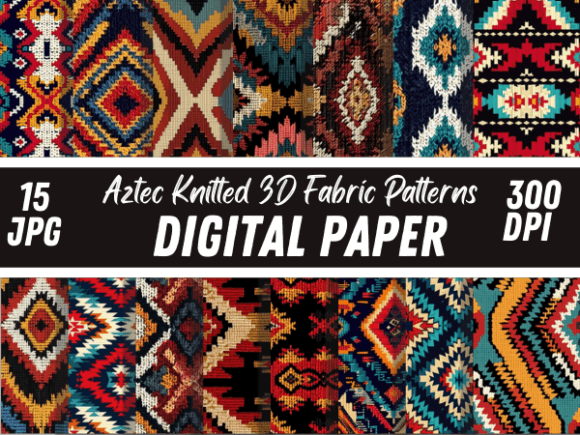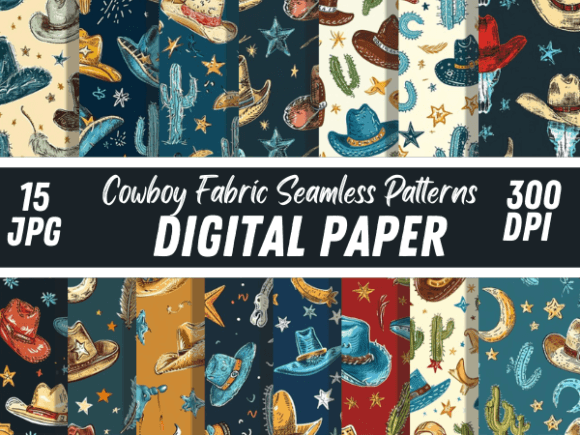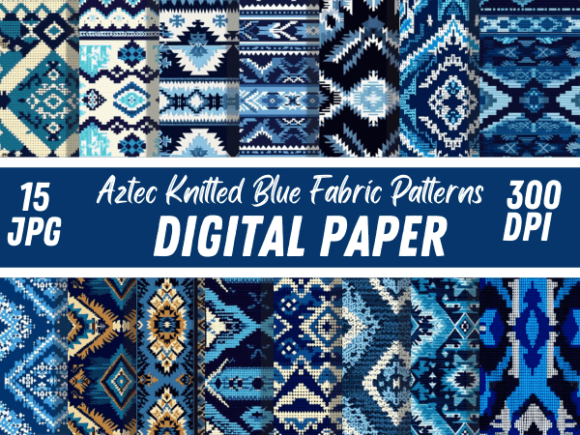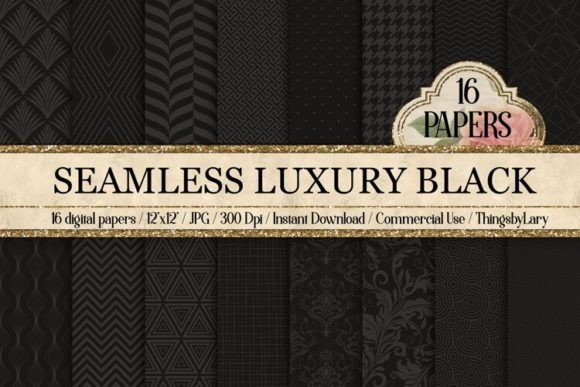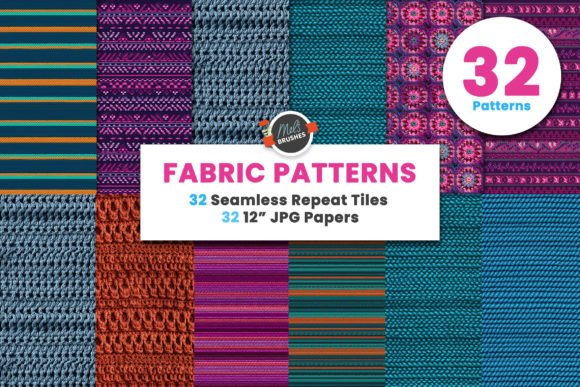
32 Premium Fabric Patterns Collection: A World of Texture for Every Creator
If you have ever stared at a flat digital canvas and felt like something was missing, you know exactly what designers mean when they talk about "depth." It is that elusive quality that separates a good project from a great one. That is where the 32 Premium Fabric Patterns Collection steps in. This isn't just a bundle of images; it is a toolkit designed to inject realism, tactility, and vibrancy into your work. Whether you are a fashion student trying to visualize a new dress or a marketer creating a landing page that needs to pop, this collection offers a world of fabric textures ready to be unleashed.
Why Digital Fabric Textures Change the Game
In the past, achieving a realistic textile look required physical samples, complex photography setups, or hours of manual painting. Today, digital fabric textures offer an extraordinary level of versatility. They act as the bridge between a two-dimensional idea and a three-dimensional reality. When you apply these patterns, you aren't just adding color; you are simulating the way light hits a weave, the softness of a knit, or the sheen of silk. This shift allows creators to iterate faster and produce higher-quality mock-ups without leaving their desks.
The value lies in the variety. The 32 Premium Fabric Patterns Collection covers a spectrum of weaves and finishes, ensuring that no matter what style you are aiming for, there is a texture that fits. From rough burlap to smooth satin, these assets provide the foundation for projects that demand authenticity.
Real-World Applications Across Industries
While the technology behind these textures is impressive, the real magic happens in how people actually use them. Here is how different professionals and hobbyists are leveraging this collection to solve real problems.
Graphic Design and Marketing Materials
For graphic designers, visual hierarchy is everything. A solid background can sometimes feel too sterile or corporate. By using a subtle fabric pattern as a base layer, you immediately add character to posters, flyers, and social media graphics. Imagine designing a poster for a local artisan market; overlaying a linen texture behind the text makes the event feel organic and handmade, rather than mass-produced. These textures serve as background layers that add depth and interest without distracting from the core message.
Fashion and Apparel Design
Perhaps the most obvious application is in the fashion industry. Before a single stitch is sewn, designers need to see how a fabric behaves. Using these textures to mock-up clothing designs provides a realistic representation of the final product. Instead of showing a client a flat sketch, you can drape a high-resolution denim texture over a jacket design to show the stiffness and fade potential. This clarity helps in securing approvals early in the process, saving time and reducing material waste.
Web and UI/UX Design
We often think of websites as clean and minimal, but tactile elements can significantly improve user engagement. In web and UI design, enhancing user interfaces with subtle texture backgrounds gives a tactile feel to buttons and banners. A "Buy Now" button with a slight leather grain might subconsciously signal durability and quality to the user. Similarly, headers with a woven pattern can make a brand feel more established and trustworthy. These small details create a richer digital experience that keeps users on the page longer.
Digital Art and Illustration
Illustrators often struggle to make their digital paintings feel organic. Incorporating fabric textures into digital paintings adds richness and detail that standard brushes cannot replicate alone. You can blend a velvet texture into a portrait's clothing to give it weight, or use a lace pattern to frame a scene. This technique bridges the gap between traditional artistry and modern digital tools, allowing artists to maintain a hand-crafted aesthetic while working entirely on a tablet or computer.
Interior Design and Home Decor
Interior designers frequently face the challenge of helping clients visualize materials before purchasing. The 32 Premium Fabric Patterns Collection is perfect for visualizing patterns on textiles, wallpapers, and upholstery in interior design plans. If a client loves a specific shade of blue but isn't sure if it looks better in a matte cotton or a glossy silk, swapping out the texture in a 3D render instantly clarifies the decision. This capability streamlines the consultation process and reduces the risk of costly mistakes.
Scrapbooking and Stationery
Creative hobbies also benefit greatly from these resources. Creating unique stationery designs or digital scrapbook layouts becomes effortless when you have access to high-quality textures. Whether you are making wedding invitations that need a rustic feel or a birthday card with a playful polka-dot fabric background, these patterns save hours of manual editing. They allow hobbyists to achieve professional-grade results with minimal effort.
Who Benefits Most from This Collection?
The beauty of the 32 Premium Fabric Patterns Collection is its adaptability to various skill levels and goals. Freelancers can use it to expand their service offerings, adding "textile rendering" to their portfolio without needing to learn complex 3D modeling software. Small business owners selling custom products can generate compelling marketing images that showcase their goods realistically. Educators can use these textures in classrooms to teach students about material properties and design principles.
Even everyday users find value here. Bloggers looking to create engaging visuals for lifestyle posts can quickly assemble themed graphics that resonate with their audience. Entrepreneurs launching a new brand can prototype packaging and branding materials that look polished and credible right out of the gate.
Practical Considerations Before You Start
While the possibilities are endless, successful implementation requires a bit of strategy. Before applying these patterns, consider the context of your project. Not every texture works for every medium. For instance, a heavy, coarse weave might look amazing on a print flyer but could make a website load slowly if not optimized correctly. Always check the resolution and file format to ensure compatibility with your workflow.
It is also important to think about contrast. A busy fabric pattern can overpower text or other design elements. Use these textures as accents or background layers rather than the sole focus unless that is your specific artistic intent. Blending modes play a crucial role here; experimenting with "Multiply," "Overlay," or "Soft Light" in your editing software will help the texture integrate naturally with your underlying colors.
Finally, respect the source. Ensure you understand the licensing terms associated with the 32 Premium Fabric Patterns Collection. Most premium collections allow for both personal and commercial use, but knowing the boundaries protects you and supports the creators who made these assets possible.
Unleashing Your Creative Potential
Ultimately, the goal of any design tool is to remove barriers between your imagination and the final output. The 32 Premium Fabric Patterns Collection does exactly that. It transforms abstract concepts into tangible visuals, allowing you to focus on the story you want to tell rather than struggling with technical limitations. Whether you are crafting a high-end fashion line, building a robust website, or simply enjoying a creative afternoon with a digital journal, these textures provide the depth and vibrancy needed to make your work stand out. With unlimited creative possibilities waiting to be explored, the only limit is your own vision.