Textured Islamic Digital Papers Patterns: A Strategic Asset for Creative Workflows
In the realm of digital design and creative production, the difference between a standard output and a professional-grade asset often lies in the subtle details. Textured Islamic Digital Papers Patterns represent more than just decorative backgrounds; they are foundational elements that elevate the aesthetic quality of diverse projects. For professionals ranging from graphic designers and entrepreneurs to educators and hobbyists, integrating these seamless textures into a workflow requires a strategic approach to ensure maximum impact and efficiency.
This collection is designed to bridge the gap between traditional artistic heritage and modern digital utility. By offering high-resolution files that capture the nuance of hand-drawn motifs and geometric tiles, these patterns allow creators to infuse their work with an earthy, timeless elegance without compromising on technical specifications. Whether you are preparing a wedding invitation suite, developing a product line for an online store, or designing educational materials, understanding how to leverage these assets effectively is crucial for maintaining consistency and quality.
Understanding the Asset: Technical Specifications and Quality Control
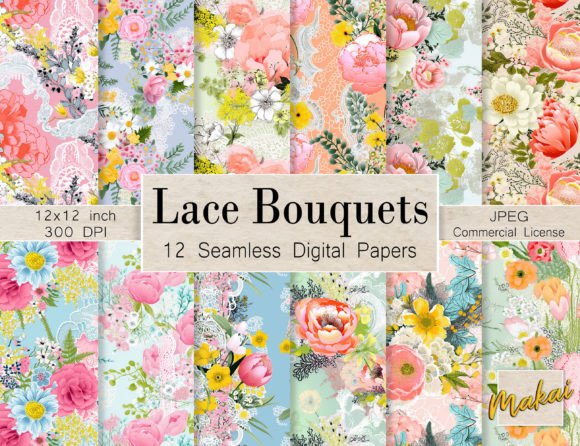
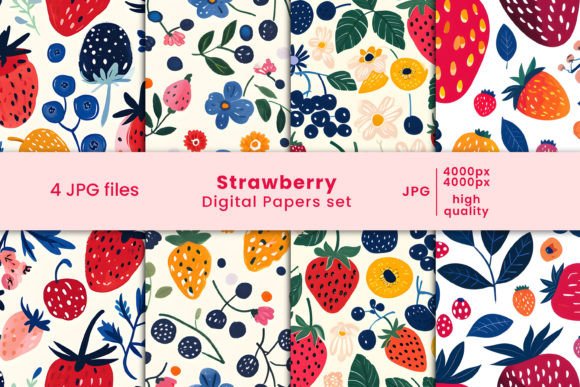
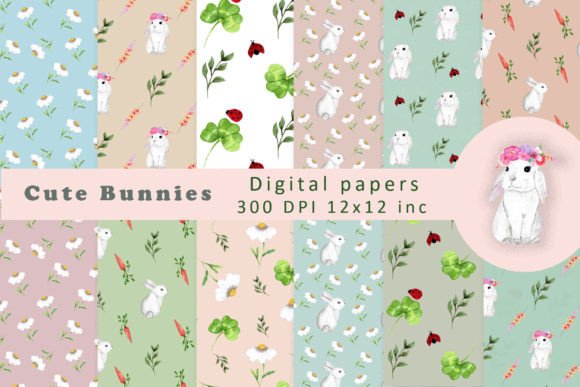
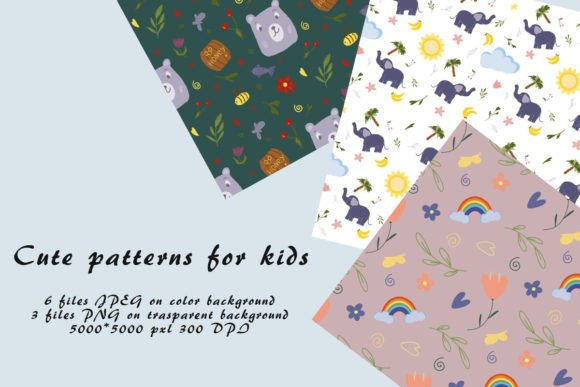
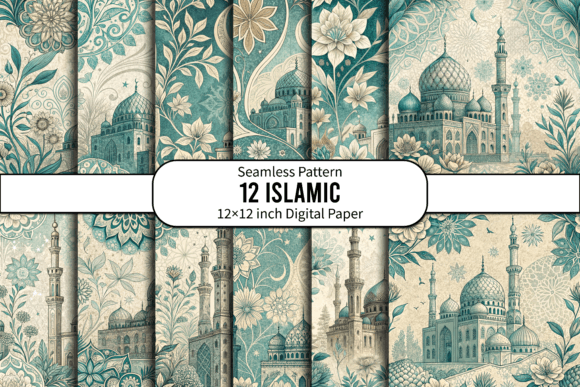
The first step in any successful implementation of digital assets is verifying their compatibility with your existing tools and output requirements. The Textured Islamic Digital Papers Patterns pack consists of 12 distinct designs, each provided in both PNG and JPEG formats. This dual-format inclusion addresses different workflow needs: PNGs preserve transparency for layering in complex compositions, while JPEGs offer smaller file sizes for web optimization and quick previews.
From a quality control perspective, the resolution is paramount. Each pattern is delivered at 300 DPI, ensuring that the texture remains crisp and detailed even when scaled up for large-format printing. The dimensions of 12 x 12 inches (305 x 305 mm) equate to 3600 x 3600 pixels, which provides ample room for cropping and repositioning within your design software. This level of detail is essential for professionals who need to produce physical products like t-shirts, cellphone covers, or party decor where print fidelity is non-negotiable. When evaluating resources for a project, checking these metrics beforehand prevents the common pitfall of pixelated outputs that can ruin a brand's reputation.
Strategic Integration Across Creative Workflows
The versatility of these textured backgrounds allows them to be integrated at various stages of a project lifecycle. They are not merely finishing touches but can serve as structural components in the planning and execution phases.
Pre-Production and Concept Development
During the initial brainstorming or mood board phase, having access to a library of muted Islamic tones and natural-inspired motifs helps establish a cohesive visual language early on. Designers can use these patterns to test color palettes and layout structures before committing to final assets. The subtle texture adds depth to flat sketches, allowing stakeholders to visualize the final product's tactile quality. This proactive use of resources streamlines the decision-making process, reducing the time spent searching for suitable imagery later in the pipeline.
During Production and Execution
In the active creation phase, these patterns function as versatile layers. For digital scrapbooking or paper crafts, they provide the necessary background complexity that makes a composition feel organic rather than sterile. When designing invitations or cards, the seamless nature of the repeat pattern ensures that edges align perfectly, eliminating the need for manual stitching or tiling adjustments. This feature significantly boosts efficiency, allowing creators to focus on typography and personalization rather than fixing alignment errors.
Post-Production and Product Distribution
For entrepreneurs selling digital albums or physical merchandise, these assets act as a value-add. A website featuring these patterns as background textures offers a unique user experience that distinguishes it from generic templates. Similarly, for those creating party decor or custom phone cases, the high-quality print-ready files ensure that the final product matches the digital preview exactly. The durability of the 300 DPI resolution means that the same asset can be used for a small business card and a large banner without degradation, maximizing the return on investment for the initial purchase.
Practical Implementation Tips for Diverse Use Cases
To get the most out of this collection, it is helpful to adopt specific strategies based on the intended application. Here are practical observations on how to integrate these patterns effectively across different mediums.
- Optimizing for Print: When preparing files for commercial printing services, always convert your working documents to CMYK mode if your software supports it, despite the files being RGB by default. Ensure that the bleed area is set correctly around the 12 x 12 inch canvas. The textured geometric tiles and Arabesque motifs look best when printed on matte or semi-gloss paper, which enhances the "hand-crafted" feel of the design.
- Digital Web Usage: For websites and blogs, avoid using the full 3600 x 3600 pixel files directly on the server, as this will slow down page load speeds. Instead, resize the images to appropriate display dimensions (e.g., 1920 pixels wide) and compress them using tools like TinyPNG or Squoosh. The muted color palette works exceptionally well as a subtle backdrop for text-heavy content, improving readability while adding visual interest.
- Layering Techniques: In software like Adobe Photoshop or Procreate, experiment with blending modes such as "Overlay," "Soft Light," or "Multiply." Applying a texture over a solid color block can create a rich, fabric-like appearance. Conversely, placing a pattern behind a white vector shape can simulate cut-out paper effects, perfect for digital invitations or social media graphics.
- Consistency in Branding: If you are a freelancer building a portfolio, select one or two patterns that align with your brand identity and use them consistently across your stationery, email signatures, and presentation decks. This repetition builds recognition and professionalism. The earthy-toned Islamic motif offers a sophisticated neutrality that pairs well with bold typography.
Compatibility and Resource Management
Successful integration also depends on proper file management. Since the pack includes both PNG and JPEG versions, it is advisable to organize your local storage by project type. Create dedicated folders for "Print Assets" and "Web Assets" to prevent confusion during the delivery phase. Keeping the original high-resolution files safe is critical, as you may need to revisit them for future projects or client revisions years down the line.
When collaborating with others, such as printers or team members, clear communication regarding file formats is essential. If a printer requests a PDF, ensure that the embedded images retain their 300 DPI quality. Some older software versions may struggle with high-resolution TIFF or large PNG files, so having a compressed JPEG version ready as a backup can save valuable time during tight deadlines. Furthermore, understanding the licensing terms is vital for those planning to sell products created with these patterns. Most digital paper packs allow for commercial use, but verifying the specific terms ensures legal compliance and protects your business interests.
The Value of Authenticity in Modern Design
Beyond the technical aspects, there is a growing demand for authentic, culturally rich designs in the market. Consumers and clients are increasingly drawn to designs that tell a story or reflect a specific heritage. Textured Islamic Digital Papers Patterns cater to this desire by offering designs that are rooted in tradition yet adapted for contemporary aesthetics. The combination of hand-drawn motifs with modern seamless technology creates a unique hybrid style that stands out in crowded marketplaces.
For educators and bloggers, these patterns provide a way to create engaging, visually appealing content that respects cultural nuances. Whether illustrating a lesson plan or designing a blog header, the natural-inspired Islamic design elements add a layer of sophistication that plain colors cannot achieve. This authenticity fosters a deeper connection with the audience, making the content more memorable and shareable.
In conclusion, incorporating Textured Islamic Digital Papers Patterns into your workflow is a strategic decision that enhances both the aesthetic and functional quality of your projects. By understanding the technical specifications, applying smart integration techniques, and managing resources efficiently, creators can unlock the full potential of these assets. Whether you are crafting a personal gift, launching a new product line, or refining your digital presence, these patterns offer a reliable foundation for excellence. Their versatility ensures that they remain relevant tools in your arsenal, ready to bring a touch of elegance and creativity to any endeavor you undertake.